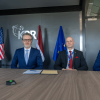
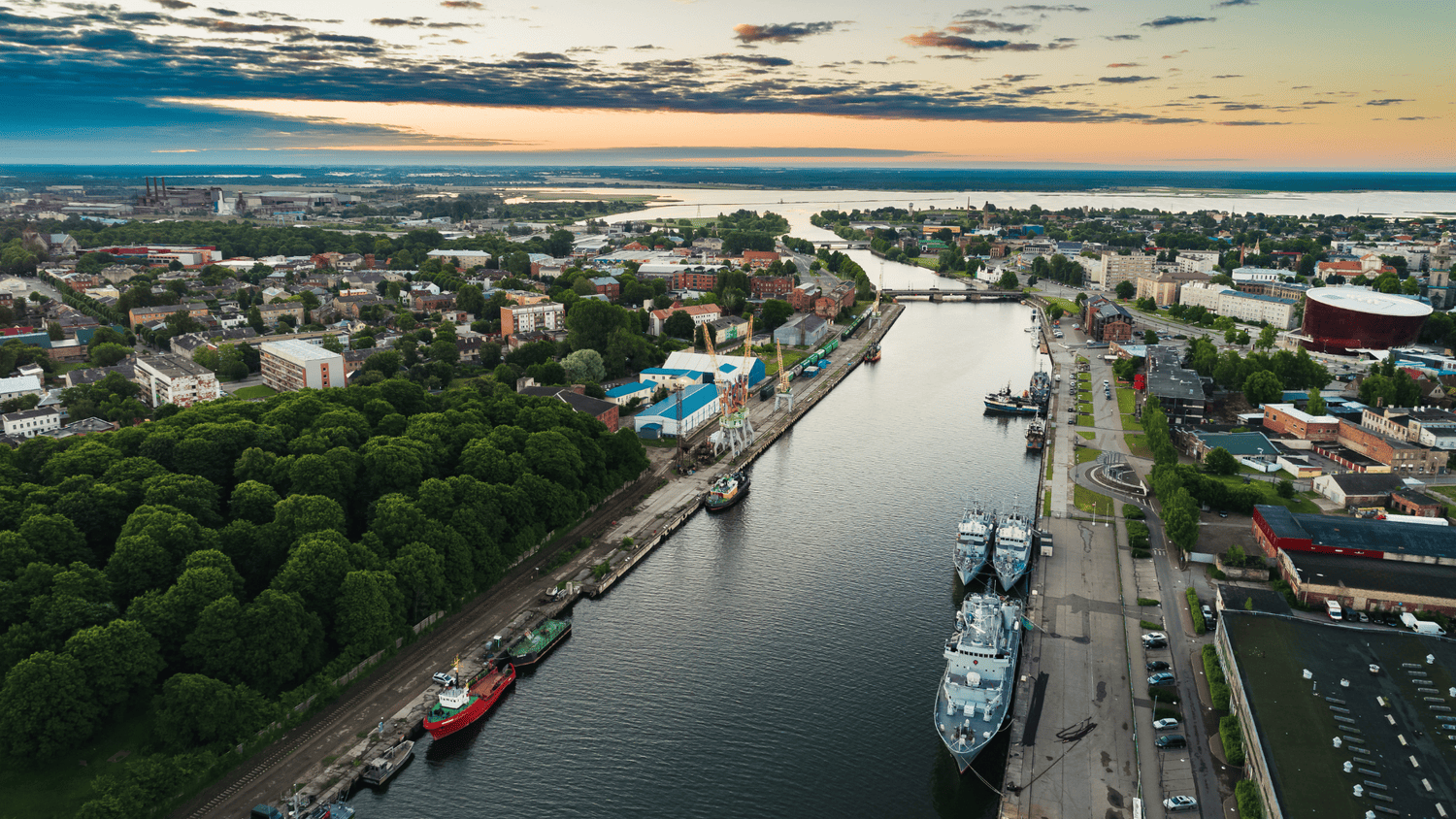
The oil and chemical storage and transshipment terminal NorSAF, which plans to build the largest sustainable aviation fuel (SAF and eSAF) plant in Northern Europe in the Liepāja Special Economic Zone, has signed an agreement on environmental impact assessment. As part of this process, the potential impact of the plant’s operations and technology on people and the environment will be analyzed. The technology to be implemented at the NorSAF plant will be supplied by an internationally recognized engineering technology company that has been providing technology to NASA and the US Armed Forces for years.
“The environmental impact assessment is an important step that confirms our commitment to implement the project in accordance with all environmental protection standards in close cooperation with state authorities and leading environmental experts, ensuring transparency of the construction and development process. In turn, in production, we plan to use the world’s most innovative technologies that are proven, safe and sustainable. They will help Latvia become a center for sustainable energy production and export for the Baltics, Europe and the whole world,” emphasizes Jānis Kisiels, Member of the board of LSEZ NorSAF, LLC.
When assessing the impact on the environment, in accordance with the requirements of the State Environmental Service, it is studied how the company’s activities affect various areas of the environment and whether it will cause pollution in the air, wastewater and groundwater, which could affect human health and environmental cleanliness, as well as the surrounding flora and fauna. When planning its activities, the company must provide for several alternative solutions, from which the optimal one must be selected in order to prevent or reduce adverse impacts.
As indicated by the evaluators, Estonian, Latvian & Lithuanian Environment, LLC (aka ELLE) representatives, experts from many sectors are involved in the preparation of the report, who provide their assessment of the impact of the planned activity on areas such as the health and safety of residents, natural values, landscape and cultural and historical values, socio-economic changes, etc. In addition, the opinion of the municipality, the Nature Conservation Board, the Health Inspectorate, the National Cultural Heritage Board and other competent institutions is also evaluated and taken into account in the process.
“Our long-term experience and knowledge in assessing various environmental aspects will allow us to provide a comprehensive and detailed assessment of an activity that is considered a new and innovative industry in the context of the Latvian economy and on a broader, international scale. We will conduct both the necessary research and seek optimal solutions together with NorSAF to prepare the conditions for the operation of the production plant that ensures a high level of protection for the surrounding population and the environment,” explains Aiga Kāla, Member of the ELLE Board.
Typically, an environmental impact assessment takes 9–16 months. Since the NorSAF project has been granted national priority status, the project implementers hope that the assessment will be implemented in the shortest possible time. Along with the environmental impact assessment, the next step in the project development is also planned – public consultation, as well as the acquisition of financial resources for the project implementation.
It has already been reported that the NorSAF production facility will use PureSAF technology, developed by Swedish Biofuels AB. Its exclusive license has been obtained by the US engineering technology company KBR, which has been supplying high-level technologies and implementing billion-dollar projects for NASA space missions for more than 60 years, as well as developing orders for the US Armed Forces and developing large-scale energy plants around the world.
“We are responsible for the environment and the well-being of our residents , which we demonstrate both by strictly adhering to Latvian and international safety standards, and by choosing the world’s most innovative technologies and attracting leading experts who share our values. Our technology partner KBR not only provides solutions that power the world’s largest high-power complexes with billions of US dollars of investment, but also supports astronaut health, occupational diseases and other research to reduce risks in future manned spaceflight missions,” emphasizes Jānis Kisiels .
It is estimated that the new plant in Liepāja will produce 100,000 tons of SAF per year, of which approximately 40,000 tons will be eSAF (or synthetic sustainable aviation fuel produced from green hydrogen), which will be supplied to aviation companies in the Baltics, Northern Europe and exported to other markets in Europe. Production is planned to start in 2030, making the NorSAF plant the largest SAF and eSAF production facility in Northern Europe. Its costs are estimated at 500–600 million euros. In total, around 400 jobs will be created for highly qualified specialists – managers, engineers, logistics experts and representatives of other professions, both directly and indirectly related to the project.